
Orthopedic care works best when the diagnosis, the person, and the life they want to return to are considered together. Dr. Jonathan Gelber combines conventional orthopedic evaluation with relevant movement, recovery, and health context to build a practical plan for active adults.
What This Approach Means
Integrative care does not mean replacing proven orthopedic treatment with unproven alternatives. It means coordinating conventional care with selected lifestyle, rehabilitation, and complementary strategies when they are relevant, reasonably supported, and safe for the individual.
For musculoskeletal problems, that begins with a clear history, physical examination, and appropriate imaging. The plan can then account for movement, strength, sleep, nutrition, general health, medications, stress, and the activity goals that matter to you. Not every factor requires a test or treatment, and no supplement, injection, or laboratory panel is automatically part of the visit.
Four Parts of a Whole-Person Orthopedic Evaluation
Structure
Examination and appropriate imaging help identify arthritis, tendon or ligament injury, instability, alignment, prior damage, and other structural factors.
Movement & Capacity
Mobility, strength, balance, control, endurance, and tissue tolerance help explain what your body can do repeatedly—not just what an image looks like.
Recovery
Sleep, training load, recovery time, nutrition, and stress may affect symptoms and rehabilitation. These are considered in context rather than treated as a substitute diagnosis.
Health Context
Medical conditions, medications, prior procedures, and overall health can affect treatment risk, healing, and the ability to participate in rehabilitation. Coordination with primary care or another specialist may be appropriate.
Understand → Treat → Train → Reassess
Understand
Clarify the diagnosis, contributing factors, current limitations, and the activities you want to preserve or regain.
Treat
Choose the least invasive option likely to help based on the diagnosis, evidence, risks, alternatives, and your priorities.
Train
Build the mobility, strength, control, and activity-specific capacity needed to use any improvement in daily life or sport.
Reassess
Measure what changed, what remains limited, and whether the plan should progress, change direction, or stop. Learn more about our joint longevity framework.
Treatment Is Chosen for Fit—not for a Label
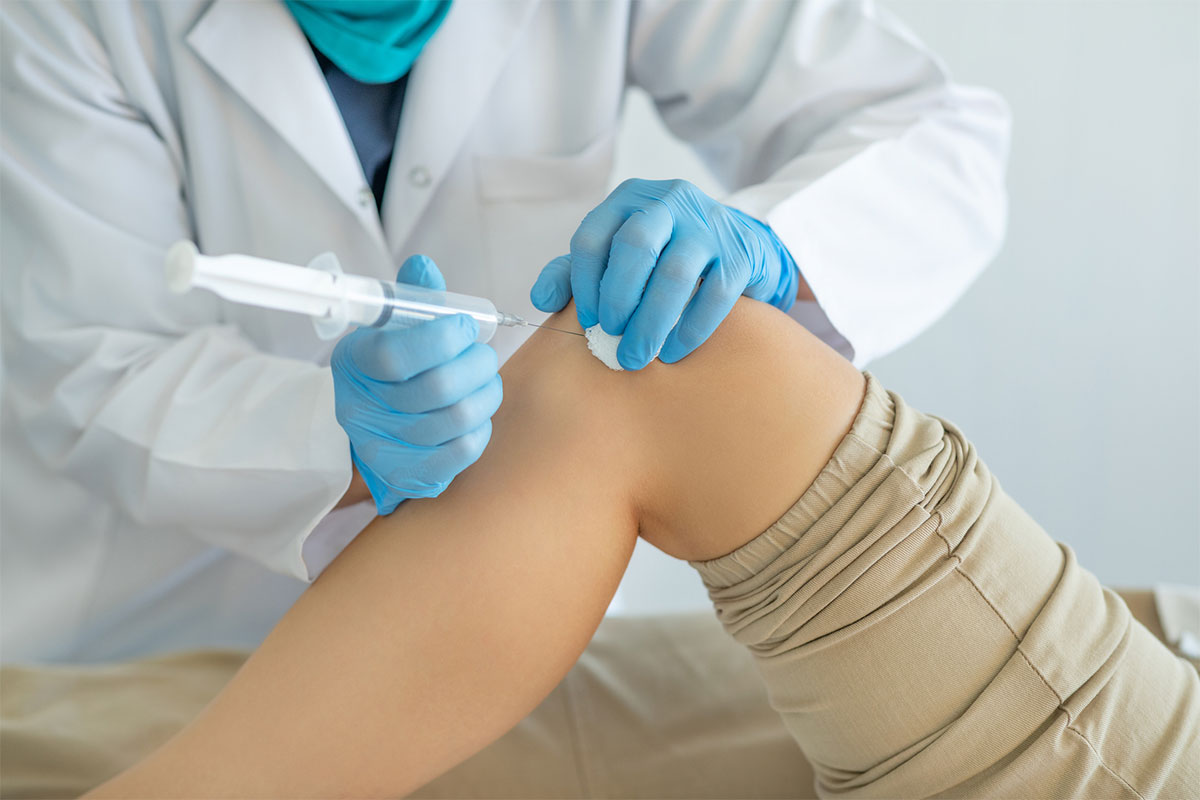
A plan may include education, activity modification, physical therapy, progressive exercise, medication, bracing, or an injection when appropriate. Depending on the diagnosis and prior care, selected patients may discuss cortisone, hyaluronic acid, PRP, or another orthobiologic option.
Each option has limits. “Natural,” “regenerative,” or “integrative” does not automatically mean safer, more effective, or appropriate. Surgery also remains reasonable when the diagnosis and expected benefit justify it. Dr. Gelber’s role is to explain the tradeoffs and recommend the level of care that fits the problem and your goals.
What We Do Not Promise
LA Ortho & Wellness does not promise to identify one hidden “root cause” for every orthopedic problem, reverse aging, regrow normal cartilage, eliminate the need for surgery, or produce a pain-free result. Evidence differs by diagnosis and treatment. Recommendations are individualized, and improvement is assessed by symptoms, function, activity tolerance, and agreed goals—not by marketing language.
What to Expect at Your Evaluation
- Discuss the activity, sport, work, or daily function you want to preserve or regain
- Review symptoms, injuries, prior treatment, medications, and relevant health history
- Examine motion, strength, stability, tenderness, and movement
- Review existing imaging and obtain additional studies only when likely to clarify the diagnosis or change treatment
- Identify whether rehabilitation, medication, injection, further evaluation, or surgical discussion fits the problem
- Set a timeframe and criteria for reassessment
The first visit is an evaluation—not a promise that a particular test, supplement, injection, or procedure will be recommended or performed.
Frequently Asked Questions
How is integrative orthopedic care different from conventional orthopedics?
The orthopedic diagnosis and standard treatment options remain central. The integrative component considers relevant movement, recovery, health, and lifestyle factors and coordinates complementary approaches with—not instead of—conventional care.
Will I need extensive laboratory testing?
Not routinely. Testing should answer a specific clinical question or change management. Dr. Gelber may recommend primary-care or specialist follow-up when a concern extends beyond orthopedic evaluation.
Are supplements automatically part of treatment?
No. Supplements can have side effects and medication interactions, and evidence varies. Any recommendation should have a clear purpose, realistic expectations, and consideration of your medical history.
Does this approach mean avoiding surgery?
No. The goal is appropriate care, not avoidance at any cost. Some conditions improve without surgery; others have a more predictable outcome when repaired or replaced. Timing depends on the diagnosis, expected benefit, rehabilitation, and your priorities.
Build a Plan Around the Life You Want to Keep Living
LA Ortho & Wellness provides physician-led orthopedic care in Toluca Lake for active adults across Los Angeles who want a clear diagnosis, honest treatment choices, and a plan to stay active longer.