

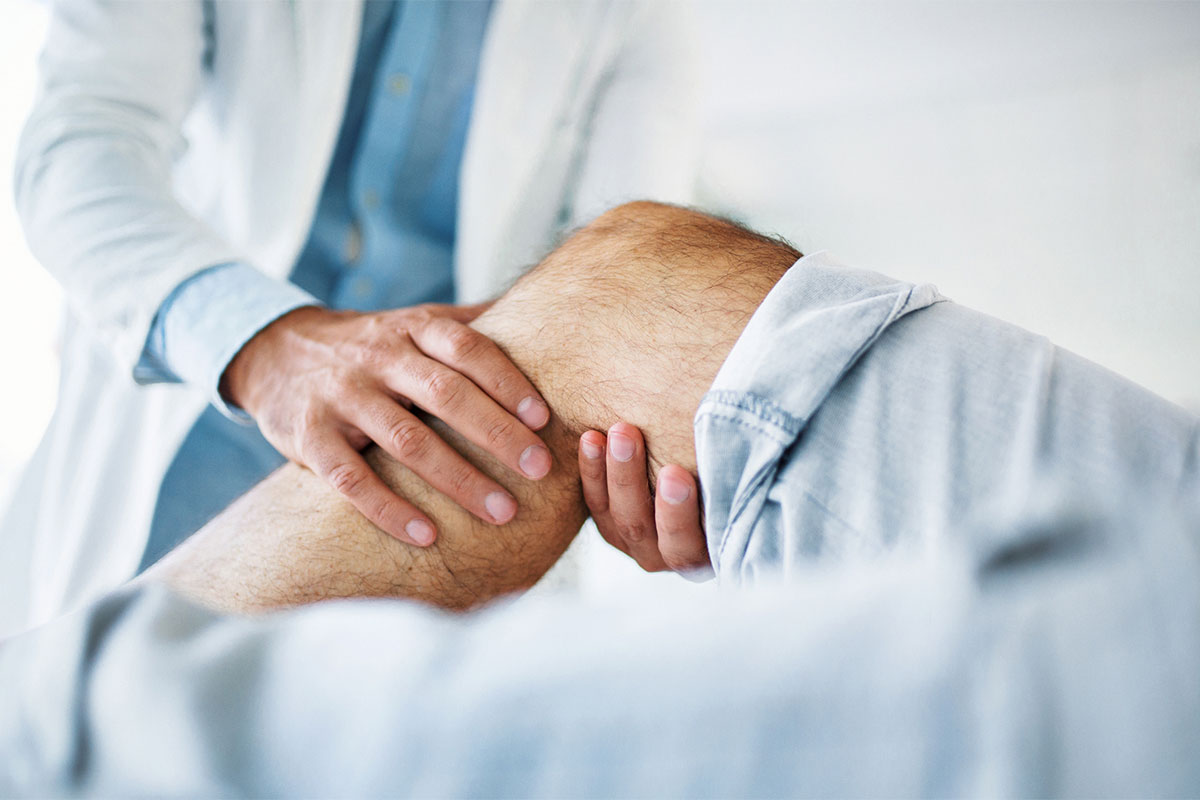
Before a platelet-rich plasma (PRP) injection, the most useful question is not simply, “Does PRP work?” It is, “Does PRP make sense for my diagnosis, goals, and alternatives?”
PRP is prepared from a patient’s own blood and contains a concentrated portion of platelets. It may be considered for selected orthopedic conditions, but results vary by diagnosis, severity, preparation method, and the rehabilitation plan around the injection. It should not be presented as guaranteed tissue regrowth or a universal way to avoid surgery.
Use the questions below to have a more specific conversation with the clinician recommending the procedure.
1. What Is My Actual Diagnosis?
“Knee pain,” “shoulder pain,” and “tendon pain” are symptoms, not complete diagnoses. The same symptom can come from different tissues and may require different treatment.
Ask what the examination and imaging show, which structure is believed to be causing the problem, and whether the findings match your symptoms. If the diagnosis remains uncertain, it may be premature to choose an injection.
For joint-specific starting points, review the guides to knee pain, osteoarthritis, and tendon problems.
2. What Evidence Supports PRP for This Condition?
The evidence for PRP is not the same across every diagnosis. The American Academy of Orthopaedic Surgeons notes that PRP appears more promising for certain chronic tendon injuries and mild-to-moderate knee osteoarthritis than for many other proposed uses. Its knee-osteoarthritis guideline says PRP may reduce pain and improve function, but rates the recommendation as limited because results and study methods vary.
Ask whether the evidence applies to your specific diagnosis and stage—not merely to “joint pain” in general. A study of knee osteoarthritis does not automatically support PRP for an ACL tear, a full-thickness rotator-cuff tear, or advanced mechanical joint damage.
Read the AAOS patient overview of PRP.
3. What Is the Goal of the Injection?
A useful treatment plan defines the intended outcome before treatment. Depending on the condition, the goal might be to reduce pain, improve function, make rehabilitation more tolerable, or help you return to a specific activity.
Ask how progress will be measured. Useful measures may include swelling after activity, walking tolerance, range of motion, strength, ability to climb stairs, grip or lifting capacity, and confidence during sport. “Feeling healed” is too vague to guide the next decision.
4. Why PRP Instead of Rehabilitation or Another Injection?
PRP is one option, not a substitute for diagnosis or appropriate rehabilitation. Depending on the problem, reasonable alternatives may include activity modification, physical therapy, medication, a cortisone injection, a hyaluronic-acid injection, or surgery.
Ask what has already been tried, whether it was tried at an adequate dose and duration, and what the expected tradeoffs are. For knee arthritis, you may also want to compare cortisone and PRP.
5. How Is the PRP Prepared?
PRP is not a single standardized product. Systems can produce preparations with different platelet concentrations, white-blood-cell content, volumes, and activation methods. Research results from one preparation may not apply perfectly to another.
Ask what preparation is being used, why it fits the proposed diagnosis, and whether the clinician can explain the meaningful differences without promising that a higher platelet number automatically means a better outcome.
6. How Will the Injection Be Placed?
Accurate placement matters. Some injections can be guided by surface anatomy, while others may benefit from ultrasound guidance because the target is small, deep, or close to other structures.
Ask what structure will be injected, whether imaging guidance is planned, and how the clinician will confirm the intended location.
7. What Are the Risks and Expected Short-Term Effects?
Because PRP is prepared from your blood, allergic reactions to the injected material are less of a concern than with some medications. That does not make the procedure risk-free.
Possible issues include a temporary increase in pain or swelling, bruising, bleeding, infection, injury to nearby structures, and failure to improve. Ask which symptoms are expected, which should prompt a call, and which require urgent evaluation.
Tell the clinician about your medical conditions, pregnancy status, medications, supplements, allergies, recent illness, and any history of bleeding or clotting problems. Do not stop an anticoagulant, anti-inflammatory drug, or other prescribed medication unless the prescribing clinician and treating clinician give you a clear plan.
8. What Should I Expect After the Injection?
Ask for a written plan covering the first day, first week, and progression back to activity. Useful details include:
- Whether you will need a brace, crutches, or modified activity
- How discomfort should be managed
- When rehabilitation begins or resumes
- Which exercises are appropriate at each stage
- When driving, work, lifting, running, or sport can be reconsidered
- When the response will be reassessed
A procedure without a recovery and loading plan is incomplete. The injection may be one part of care, but strength, motion, control, and gradual exposure to the desired activity often remain important.
9. How Long Before We Decide Whether It Helped?
PRP is not typically evaluated like a numbing injection that produces an immediate answer. Ask when improvement might reasonably begin, when the main follow-up will occur, and what will count as a meaningful response.
Also ask what happens if symptoms do not improve. A clear plan should identify when to continue rehabilitation, reconsider the diagnosis, repeat imaging, discuss another treatment, or evaluate whether surgery is appropriate.
10. What Will This Cost, and Is It Covered?
Insurance coverage for PRP varies and many plans do not cover it. Ask for the expected total cost, including the consultation, imaging guidance, procedure, supplies, follow-up, brace or rehabilitation expenses, and any proposed repeat injections.
Be cautious when a package is sold before the diagnosis, number of injections, alternatives, and reassessment plan have been explained.
Frequently Asked Questions About PRP
Does PRP regrow cartilage?
PRP should not be promised to regrow normal cartilage. Some patients with symptomatic knee osteoarthritis may experience less pain or better function, but symptom improvement is not the same as restoring a joint to its original structure.
Can PRP prevent surgery?
Some patients may improve enough to postpone or avoid an operation, while others will not. Whether surgery is appropriate depends on the diagnosis, structural damage, instability, mechanical symptoms, functional limits, goals, and response to nonsurgical care. PRP is not a guarantee against future surgery.
How many PRP injections are needed?
There is no single schedule that fits every condition or preparation. Evidence comparing injection schedules is mixed. The proposed number should be tied to the diagnosis, available evidence, cost, response, and a defined reassessment point.
Is everyone a candidate for PRP?
No. A consultation should consider the diagnosis, health history, medications, blood or platelet disorders, infection risk, pregnancy, cancer history, and whether another treatment is more appropriate.
Make the Decision Around Your Diagnosis and Goals
A good PRP consultation should leave you with a specific diagnosis, realistic goal, explanation of the evidence, alternatives, risks, recovery plan, cost, and a way to measure progress. You should not need to arrive already committed to an injection.
Learn how LA Ortho & Wellness approaches PRP consultations and treatment planning, or schedule an orthopedic evaluation with Dr. Jonathan Gelber.